
Protein shakes for small appetites: small servings you can actually finish
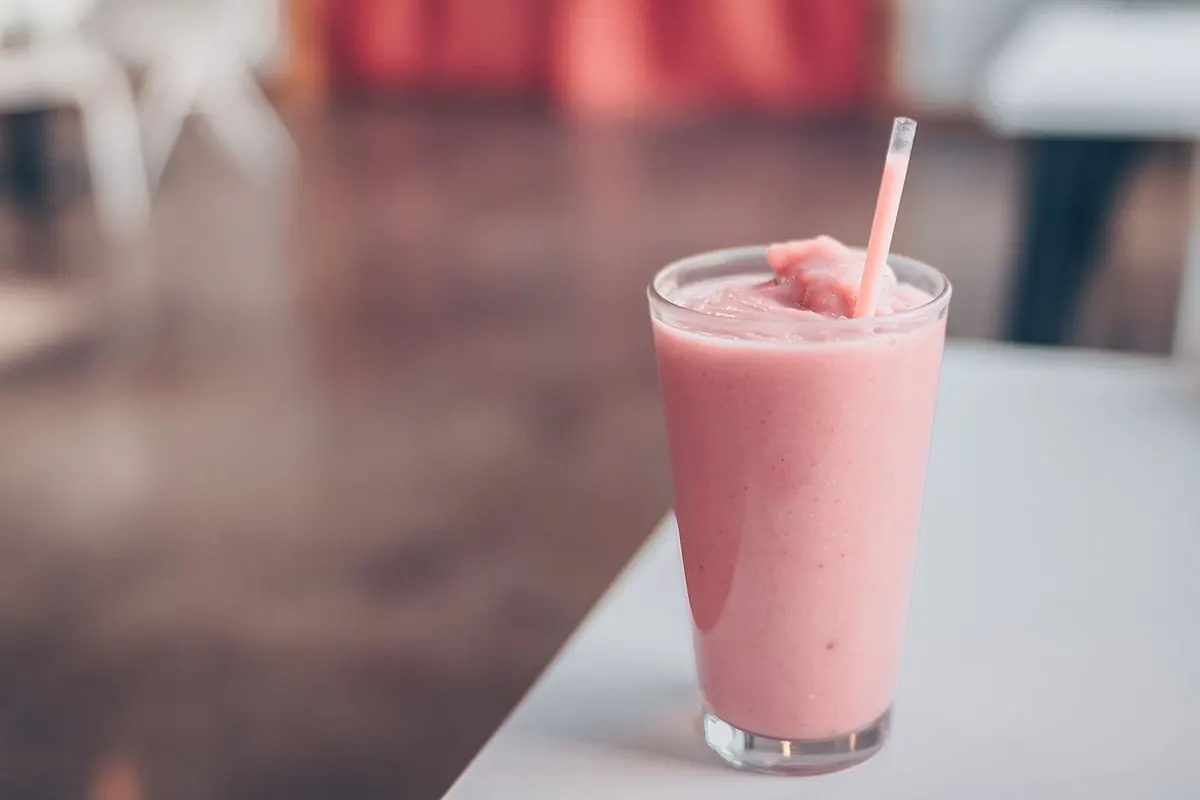
Photo: Josh Sorenson / Pexels
Some days a plate of food feels like a mountain. A drink can feel easier. You can sip it slowly, take it out with you, and stop when you've had enough. That is the main reason protein shakes turn up in so many small-appetite kitchens.
But most shakes are built for gym-goers: big scoops, big bottles and milkshake-thick textures that leave you feeling as if you've eaten a three-course dinner. This guide looks at shakes from the other end. Which ones come in small servings, which taste light rather than heavy, and how to make any shake work at a size that suits you.
If you want the bigger picture first (how much protein UK guidance suggests, and how to spread it through the day), start with our hub: Protein little and often: how to get enough on a small plate.
What makes a good shake when you can't manage much
We look for four things on every bottle and tub.
1. A small serving size. Check the serving on the back of the pack, not just the protein number on the front. A ready-to-drink bottle of 250ml or less is far easier to finish than a 500ml one. With powders, you can always use half a scoop.
2. Protein per serving, not per 100g. Front-of-pack numbers are often per bottle or per scoop, but the panel on the back gives both. Compare like with like. The October supermarket round-up from Food & Drink Network UK makes the same point: read the nutrition panel rather than trusting the word "protein" on the front (Food & Drink Network UK (opens in a new tab)).
3. Low sugar. Many shakes use sweeteners instead of sugar. That suits some people and not others, so check the ingredients list if you prefer to avoid either.
4. A texture you like. This matters more than people think. If thick and creamy feels heavy, a clear, juice-style shake may be the answer.
Clear whey or milkshake-style: which suits you?
Clear whey is a protein powder that mixes with water into a light, fruity drink, a bit like squash. It isn't creamy and it doesn't sit heavily. Many people with a small appetite find it the easiest way to drink protein, especially in warm weather or first thing in the morning. Shake it, let the foam settle for a minute, then sip.
Milkshake-style shakes (powders mixed with milk, or ready-to-drink bottles) are richer and more filling. They can stand in for a small snack when you fancy something sweet and creamy. If you find them too much, pour half into a glass and keep the rest in the fridge for later.
Plant-based options made with pea, soya or oat protein suit people who avoid dairy. The texture varies a lot between brands, so a small pack is a good way to try one.
Our shortlist (taste notes coming)
We're buying these with our own money and will add honest taste notes after testing. Until then, this is the shortlist we think fits a small appetite best, based on serving size and texture. We don't list prices here, so tap through to check today's price.
- Myprotein Clear Whey Isolate: the best-known clear whey in the UK, with lots of fruity flavours. A good place to start if creamy shakes feel heavy. Myprotein link coming soon · View on Amazon (opens in a new tab)#ad / affiliate
- Bulk Clear Whey Isolate: a similar light, juice-style drink from another big UK brand. Worth comparing flavours. Bulk link coming soon
- Huel ready-to-drink: a complete, bottled drink rather than a pure protein shake. Handy on days when cooking isn't happening. Huel link coming soon
- Ready-to-drink milk protein shakes: small bottles from the supermarket chiller or a multipack on Amazon. Look for 250ml or smaller. Amazon link coming soon
- Plant-based ready-to-drink shakes: for dairy-free households. Amazon link coming soon
- Unflavoured whey powder: not for drinking on its own, but you can stir a little into porridge, yoghurt or pancake batter. Amazon link coming soon
Where a shake is at least a source of protein (check the label), it's fair to say that protein contributes to the maintenance of muscle mass. Any other claims on these pages belong to the brands, not to us.
How to make any shake smaller
- Use half a scoop. Mix it with half the usual water or milk. You get a smaller drink with the same strength of flavour.
- Split it. Drink half now and half in a couple of hours. Keep the rest in the fridge in a sealed bottle.
- Go cold. Lots of ice makes clear whey feel more like a cold drink and less like a supplement.
- Freeze it. Pour a milkshake-style shake into lolly moulds for a small frozen treat.
- Blend it into food. A spoonful of unflavoured powder in yoghurt or porridge adds protein without adding volume.
Small kit that helps
- A small shaker bottle (around 300–400ml) so you aren't facing a giant bottle. Amazon link coming soon
- A mini personal blender for smoother milkshake-style drinks with fruit. Amazon link coming soon
- Silicone lolly moulds for frozen shake pops. Amazon link coming soon
Shakes are a helper, not the whole answer
A shake is handy, but it isn't a meal and it doesn't have to be daily. The Guardian's long read on protein makes a useful point: your body doesn't store extra protein, and real food brings vitamins and minerals that shakes don't (The Guardian (opens in a new tab)). The Atlantic goes further and argues that a plain pot of Greek yoghurt or skyr often beats branded protein products on simplicity, with milk and culture as the only ingredients (The Atlantic (opens in a new tab)).
So we think of shakes as one tool among several. Use one on a busy morning or a low-appetite afternoon, and lean on small portions of real food the rest of the time. Our high-protein snacks for small appetites guide has plenty of ready-portioned ideas.
What's happening in the shops
Protein is everywhere at the moment. Myprotein has teamed up with Iceland on a frozen range that is adding 25 more lines this autumn, from breakfasts to egg bites (Grocery Gazette (opens in a new tab)). Some of the new meals are very large, so the snack-sized items are the ones to look at. Protein oat drinks are also turning up in supermarkets, which gives dairy-free shoppers another ready-made option (Food & Drink Network UK (opens in a new tab)).
FAQ
Can I drink half a protein shake? Yes. Use half a scoop of powder with half the liquid, or drink half a ready-made bottle and keep the rest chilled. Check the pack for how long it keeps once opened.
What's the difference between clear whey and normal whey? Clear whey is processed so it mixes with water into a light, juice-like drink. Normal whey is creamier and usually mixed with milk. Both are milk proteins.
Do I need protein shakes at all? Not necessarily. Plenty of people get enough protein from food. Shakes are simply a convenient option when eating feels like hard work. See our protein little and often hub for food-first ideas.
Are ready-to-drink shakes better than powders? Neither is better. Bottles are convenient and portion-controlled. Powders are more flexible because you choose the size.
Are protein shakes suitable for everyone? They're everyday foods, but if you have a health condition or take any medicine, check with your GP or pharmacist before making changes to what you eat or drink.